

Unit III: Social Justice in Digital Humanities Practice
3.3 Slavery: The Rijksmuseum’s Ten True Stories Physically and Digitally Told
 |
This case study is written by Anna Villarica and is based on the Rijksmuseum: Slavery exhibit in 2021 curated by Eveline Sint Nicolaas, Valika Smeulders, Maria Holtrop and Stephanie Archangel. The page is designed by Felix Bui.
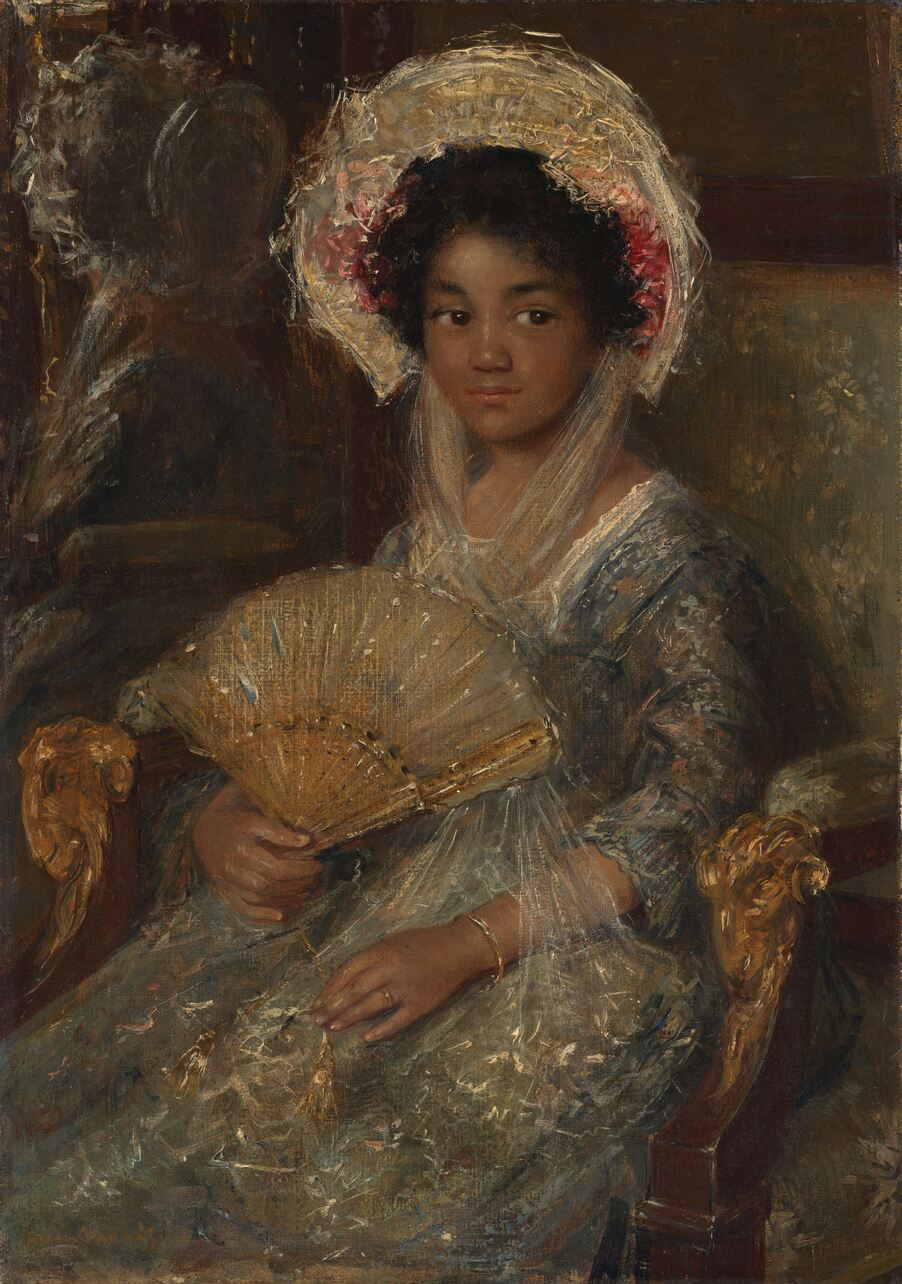 |
| In the case of this painting, archival research revealed that the girl’s name was ‘Isabella’ and that she posed for painter Simon Maris when she was twelve. The label was changed accordingly. |
1. Introduction
In room 1.18 in the Rijksmuseum in Amsterdam hangs the portrait of a young girl holding a fan. The label reads: Isabella, Simon Maris, c. 1906.Until a few years ago, this painting was called Young Negro-Girl, with the model described as ‘East Indian’ or ‘Little Negress’. In 2015, the Rijksmuseum combed through the digitized labels of 220,000 artworks for racist words used by Europeans such as ‘negro’, ‘dwarf’, ‘Mohammedan’ and more. Racially charged language was removed and the descriptions improved. It was the first museum in Europe to do so (Siegal, 2015).
Soon after, the Rijksmuseum would embark on an exhibition on slavery which opened in 2021[1].Four years in the making, Slavery: Ten True Stories was the first major exhibition about slavery for the Dutch National Museum. It was also the first time that stories of slavery across the Atlantic and Indian Oceans were to be told in one exhibition in the Netherlands. While the onsite exhibit at the Rijksmuseum lasted for a few weeks, the richly illustrated digital stories of Slavery and related media can be experienced on the Rijksmuseum website.
1.1 The legacy of slavery
Enduring social issues such as racism and discrimination in the Netherlands have been attributed to slavery. In the past, ‘black people were enslaved by white people because they were Black’, says historical novelist Cynthia McLeod from Suriname, in an interview for the book companion of the Rijksmuseum Slavery exhibit (Sint Nicolaas et al. 2021, 303). Europeans who took part in slavery, she explains, ascribed Black people animal features, describing them as having low intelligence and no emotions in order to justify their activities. Race theories from the 18th and 19thcenturies also claimed that race is arranged on a vertical line with the white race on top, providing justification on white people’s domination and abuses of Africans and Asians. McLeod concludes, ‘This is racism. Slavery has been abolished, but that thinking still exists’ (Sint Nicolaas et al. 2021, 304)There is also increasing awareness of how the prosperity the Dutch enjoyed, and continue to enjoy, came at a cost. The wealth made during the Dutch Golden Age came in part from slavery and the exploitation of indigenous people and their land. As part of the transatlantic slave trade from the 16th to 19th centuries, the Dutch shipped more than 600,000 slaves from West Africa to Europe and the Americas. Moreover, profits from sugar and spices powered by slave labour in Dutch colonies, created wealth for the Dutch. Enslaved people who resisted their captors were tortured and killed. Although slavery was abolished in the Netherlands in 1644, it remained legal in the colonies until 1863.
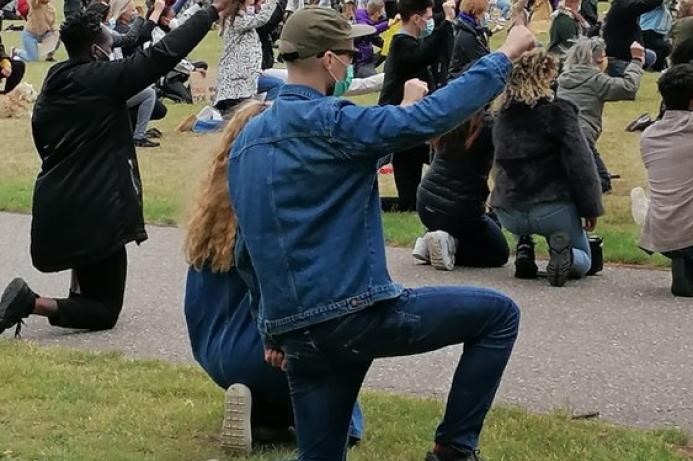
Looking into the legacy of this history has become more urgent. Since the Black Lives Matter movement was (re-)ignited in 2020 after the death of George Floyd in the USA, similar protests calling attention to racism have spread to the Netherlands. There have been incidents of colonial statues in the country being defaced.
 |
 |
||||||
| Black Lives Matter protest in Zwolle, the Netherlands in 2020 (Source: @Gemeente_Zwolle, X) | Zwarte Piet (‘Black Pete'), the companion of Saint Nicholas who provides candy to well-behaved children on the Feast of St Nicholas. People portraying Zwarte Piet dress in dark makeup and wear curly wigs. (Source: Sander van der Wel, Wikimedia Commons) |
Repeated criticisms have come from the public for practices deemed racist. These include outcries on the royal family’s use of the Golden Carriage that contains racist imagery, and the painting of blackface by people playing Zwarte Piet on St Niklaas Day. Official apologies for the country’s role in slavery came in 2022 and 2023, first from the Prime Minister Mark Ruitte, and then from the King of the Netherlands, His Majesty King Willem-Alexander.
1.2 Response
More is being done beyond issuing official apologies. The Dutch government and institutions are re-examining Dutch history and the legacy of slavery. In the case of the Rijksmuseum, they recognised that the history of slavery has not yet been studied by the museum in depth nor is it reflected in how their collection is presented. This is despite slavery being a part of national history, ‘a living past for many people beyond its walls’ (Sint Nicolaas et al. 2020, 9). There is also an understanding that more work needs to be done to create a more holistic account of history. Colonial archives, records left by the wealthy and literate, tend to reduce the enslaved to numbers, describe them in denigrating terms and take away their humanity. The enslaved are included in the archives in bills of sale, interrogation transcripts, and records of complaints and punishments. These records reflect the perspective of the colonial rulers.2. Slavery: Ten True Stories at the Rijksmuseum
As a way to create a counter-narrative, from 2017 to 2021, the Rijksmuseum worked on Slavery, an exhibit that offered an unflinching look at how slavery is intertwined with Dutch history, as well as the museum’s own collection. The approach for Slavery was to tell the history of slavery not through abstract concepts such as numbers and dates; instead, the exhibition focused on the personal stories of ten people whose lives were touched by slavery. These people suffered from slavery, fought against it, or were people who profited from it. These ten individuals came from the Netherlands, as well as Brazil, Suriname, the Caribbean, South Africa and Asia, from countries that had been under Dutch colonial rule.|
The trailer for the Slavery Exhibition at the Rijksmuseum (source: Boomerang Agency)
|
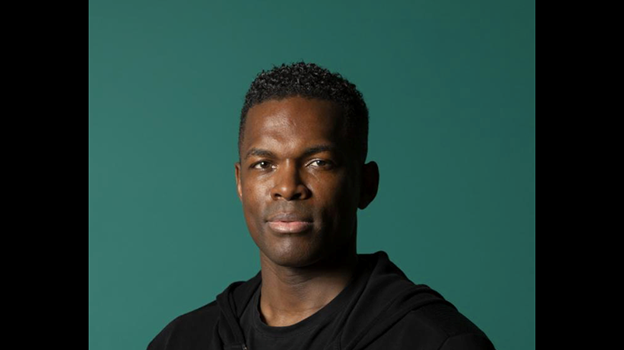 |
| Remy Bonjasky is one of the greatest kickboxers of all time, he held the title of K-1 World Grand Prix heavyweight champion for 2003, 2004 and 2008. |
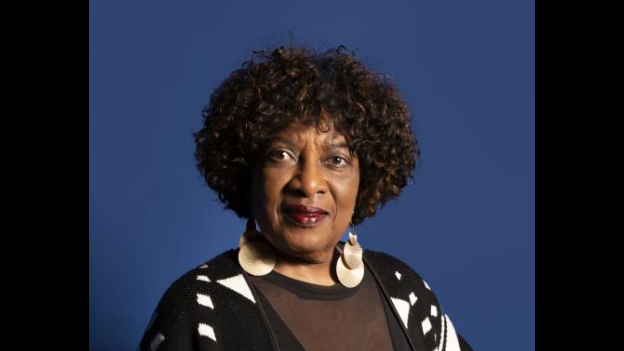 |
| Anastacia Larmonie, born in Curacao to parents from Sint Maarten, resides in the Netherlands and has taught music to children for 30 years. |
For instance, the story of Wally, an enslaved person who worked on a plantation in Suriname, is narrated by Surinamese-Dutch athlete Remy Bonjasky. Remy’s ancestors worked on the same plantation as Wally. Meanwhile, the story of Lohkay, an enslaved woman from Sint Maarten is narrated by musician-educator Anastacia Larmonie. Born in Curacao but raised by parents from Sint Maarten, Anastacia grew up listening to Lohkay’s stories and now creates music about her and other warriors like her. While experiencing the physical exhibition, visitors could also listen to these narratives, as well as oral sources, songs and chants. Through the embedded aurality, visitors could be brought closer to the emotions and experiences of enslaved people as the vast majority were not permitted to write, and hence record their experience. Below are some of the pieces featured in the exhibit.
3. The digital afterlife of Slavery: Ten True Stories
While the physical Slavery exhibition at the Rijksmuseum was available for public viewing for two months, it has a lasting online presence [2]. The opening of the physical exhibit was accompanied by the release of the online exhibition Slavery - online resources that became especially important in engaging the public, as Slavery’s opening coincided with closures of public venues in the Netherlands. Far from being an inventory of digitised artefacts from the physical exhibit, Slavery online features four areas to explore: richly-illustrated multimedia stories on the ten individuals (‘The 10 people’), Animations, a video feature on the La Bouche du Roi installation, and a recording of the symposium on Sources on Slavery.
3.1 Multimodal storytelling
The 10 People multimedia stories first take the visitor on a mini virtual tour. Each starts with a 3D view of the museum space dedicated to the person, as a voiceover briefly introduces the gallery and the historical context. The camera pans around this space, introducing the pieces within, the layout and the museum design. If the video is paused, the visitor is able to change their viewpoint by clicking and dragging their cursor, or use the zoom functions +/- on the right to examine the pieces or the museum environment more closely. After this 3D mini tour, the narrator is introduced; they explain their connection to the person and begin to tell their story.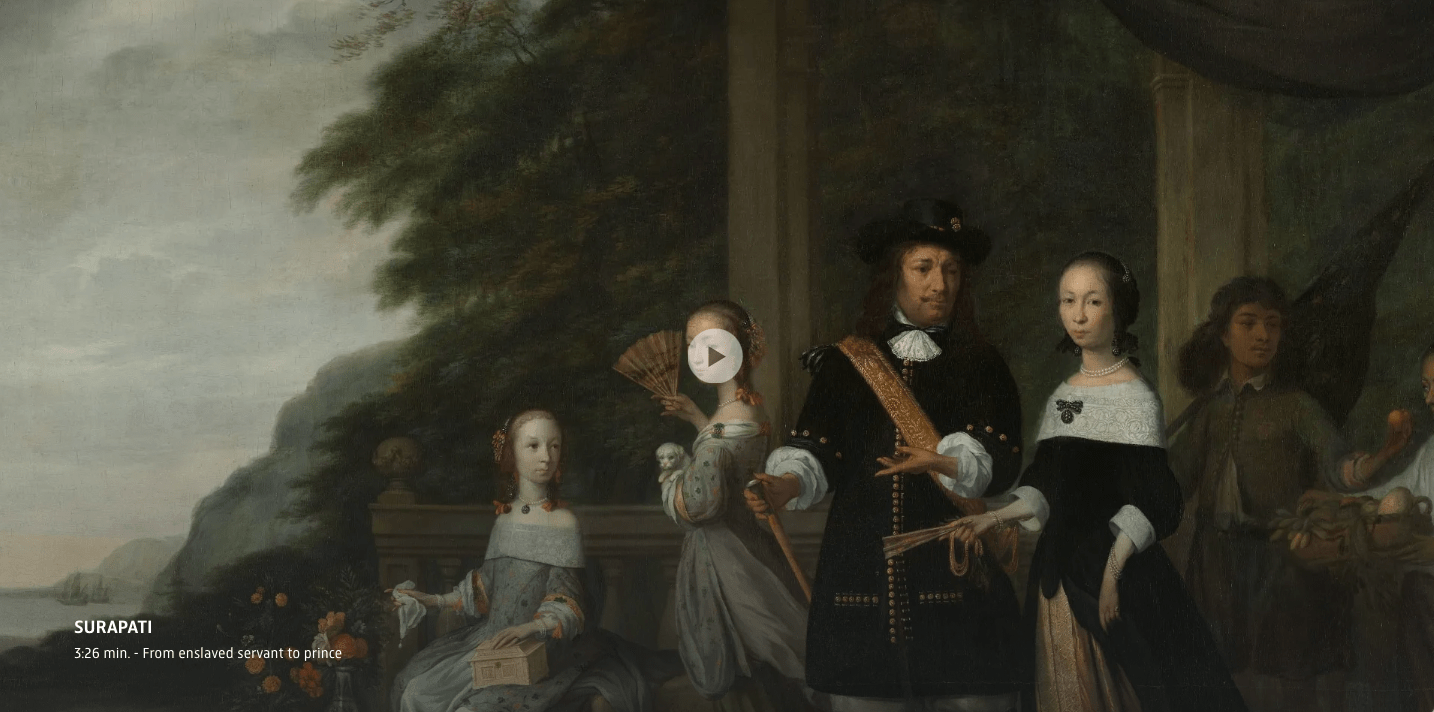 |
| 3D experience: 'The story of Surapati' Click on the play button to explore. |
The narration, the same as those on the accompanying audio guide for the physical visit, layers on top of visuals such as drawings and photos of the objects, paintings, or archival documents.
If the video is paused, the visitor can likewise zoom in and out of the photos, or drag them to the sides with their cursors, enabling them to see more details. Apart from the voiceover and visual elements, music and chants also feature in the storytelling. (For some individuals, there are cartoon video animations in the Animations section of the online exhibit
3.2 Online symposium on inclusive sources and interdisciplinary collaboration
Drawing from a variety of sources was important to prevent reproducing the power dynamic found in historical records and to tell stories from the perspective of the enslaved. This topic was the focus of the international online symposium Sources on Slavery and Slave Trade organized by the Rijksmuseum, the National Archives of the Netherlands and the National Library of the Netherlands. The symposium was held on April 23, 2021 (before the exhibit opening), but it is available for replay on the Slavery exhibition website and has become part of its enduring online presence. In the symposium, researchers and professionals reflected on the importance of inclusive use of sources for museums, archives and libraries. Explore the slider below to see some of these sources discussed in the symposium, the ones that contributed to the Slavery exhibit.| Various sources/ data points beyond written records are included in the exhibition. Click on the hotspots to learn more. |
In the symposium, the experts on the panel also discussed issues around making sensitive data about slavery more accessible through digitisation and open access. Dutch historian Karwan Fatah-Black from Leiden University noted that the abundance of digital sources make it possible to ‘ask more questions, to ask different questions, and try out new methods in the way we do this history’ (1h.48m.30s). Digitisation also makes it possible ‘to connect these different archives and to make more complete and fuller stories…that have been hidden by history before’ (1h.49m.00s). Meanwhile, Dutch historian from Radboud University Coen van Galen, discussed how having open, easily accessible digital sources (such as digitised slave registers) was a ‘great way to democratise the study of slavery’ (1h.54m.30s). He further highlighted the public impact of these easily accessible digital sources, for example by providing inspiration for plays people talk about, reaching ‘even those strands of the population who never would do anything with slavery’ (1h.55m.00s). Bondan Kanuyomoso, Lecturer and Researcher at the University of Indonesia, noted how open digital archives can give students direct access to primary sources, when previous interactions with the past could have been through history books (3h.19m.50s). Online access was especially important during the pandemic, when people were not able to access archives in person.
Keynote speaker Marisa Fuentes, a historian at Rutgers University, warned that although ‘digitalisation makes access to these archives broader and more inclusive…the abundance of archives doesn’t disappear the ways in which enslaved people are represented’ (32m30s). She also noted how if there are paywalls, the ones who gain may be those from the countries that profited from slavery. Access to digital archives does not erase the power constructed within them, so Fuentes encourages approaching them critically. Archival studies lecturer Stanley Griffin from the University of West Indies also discussed the limits of digital archives, noting that while memory is ‘resurrected’ by technology, ‘still, we cannot hear them’ (2h.04m.00s). He reminds the audience how for marginalised people, ‘a drum, a song, a movement…they are a means of creating information, of sharing information, of passing down information’ (2h.08m.40s). Digitised archives based on written outputs and records reflect the perspectives of the colonial masters who wrote them and do not fully capture cultural expressions. Griffin ends by playing a video where a slave chant is recorded and combined with visuals of the plantation, noting that this is ‘another form of digitisation’ (2h.13m.30s) that bring the focus on the people and not on the records, which was what the Rijksmuseum was striving for.
3.3 Look at Me Now: Engaging the public to reflect on slavery
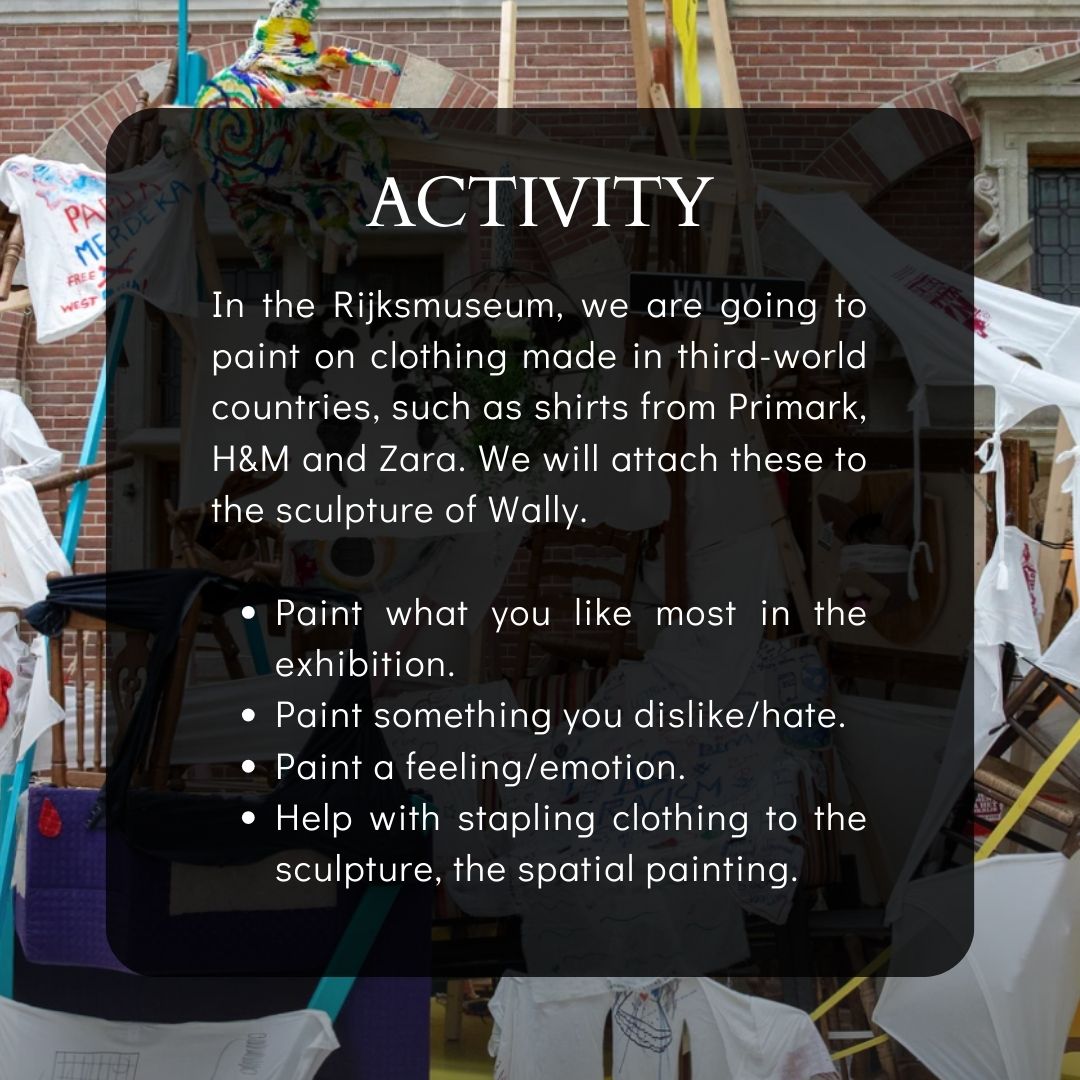
It is clear that much effort and collaboration from professionals from different disciplines was necessary to stage the exhibition. But apart from experts, the museum also invited the public to engage in telling the story of slavery. After experiencing the Slavery exhibit (online or onsite), visitors were encouraged to participate in the creation of the Look at Me Now sculptures. LAMN consisted of ten sculptures on the Rijksmuseum premises, one for each person featured in Slavery. From May to August 2021, artists David Bade and Tirzo Martha from Curacao built the sculptures based on contributions from the public.A form of public humanities, LAMN asked citizens to reflect on the ten stories and consider: Who made the greatest impression on you? How would you like to tell their story? For each story, there was also a prompt that related the story of that individual to the visitor in the present day (see Figure 9 for examples). The public could submit ideas for their chosen sculpture via email or send a handmade piece to the museum. David and Tirzo worked on the sculptures everyday based on these contributions. The progress of each sculpture can be viewed on the Rijksmuseum website as well.
 |
||
| Prompts for public contribution to sculptures dedicated to Wally. | Before and after: A slider to reveal the progress of the sculptures Wally. |
4. Other efforts in re-examining the museum collection
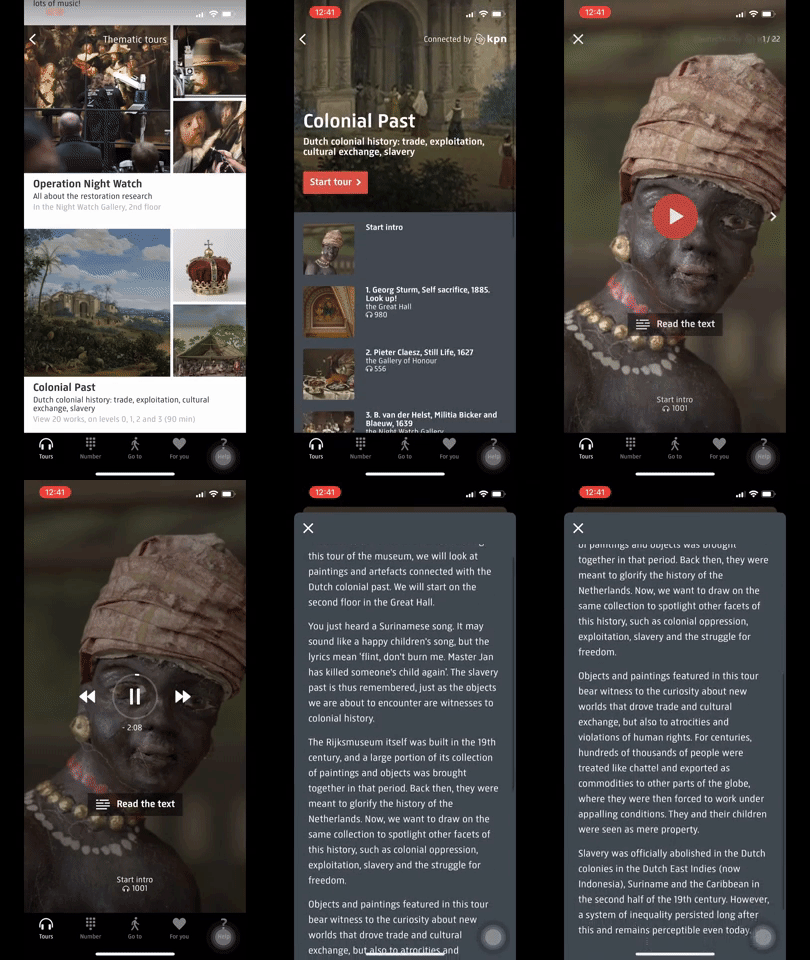 The museum also embarked on the Rijksmuseum and Slavery initiative alongside the temporary exhibition Slavery. Works in the Rijksmuseum were initially meant to glorify the history of the Netherlands, and through this initiative, they have been re-examined to reveal previously unknown links to oppression and slavery. Additional labels were then added to paintings and objects in the museum to explain a previously hidden connection. While the labels from the Rijksmuseum and Slavery initiative were on from February 2022 to February 2023, these are available for download from the Rijksmuseum website. Moving forward, the museum endeavours to continue to evaluate their labels, noting that ‘wherever possible, the new information will be integrated into our museum in order to do greater justice to the Netherlands’ complicated history.’ (Rijksmuseum and Slavery n.d., paragraph).
The museum has also created a guided tour to highlight the museum collection’s complex entanglements with Slavery. Those visiting in person can follow the route in the Colonial Past tour, available through the Rijksmuseum App. This takes them through 20 pieces connected to trade, exploitation and slavery during Dutch colonial history. This includes the Night Watch, arguably the most famous painting in the Netherlands.(For those wishing to view the additional labels from the Rijksmuseum and Slavery project, the Rijksmuseum app also provides a guided tour for these 77 works and the added information.) Extra layers of information from the app can enrich the in-person museum experience. Beyond the audio narration, text and pictures, the app makes use of music (e.g. the opening audio is a Surinamese song about slavery and violence) and explanatory videos with additional information.
5. Conclusion
Slavery: Ten True Stories is an example of an exhibition that was designed to be both a physical and a digital exhibition, with the digital elements an integral part of the exhibition strategy. The exhibition evinced a duty of care to the many anonymous individuals connected to items in the collection: portraits in which the enslaved are not named, items created by enslaved artisans whose names were not recorded, or only recorded by their first names, as well as the many individuals whose identities were submerged into new ones in written in ledgers and journals as they progressed from free individuals to the enslaved.The digital afterlife of the exhibition records and preserves these stories for a wider public audience, making it a model for curating an exhibition in multiple modalities.
Footnotes:
[1] The exhibition was staged at the Rijksmuseum from 5 June to 29 August (Yang, 2022). It was planned for May 18 to August 29, 2021, but due to the pandemic, the Rijksmuseum was closed to the public from December 2020 to June 4, 2021.
[2] The basis for the online version was the audio tour that every visitor to the physical exhibition received. To underline the importance of oral sources, the museum chose to give all visitors a device with the audio tour for free.
Author Bio*:
Anna Villarica is a research assistant on the #dariahTeach project. She is a junior lecturer at Maastricht University currently teaching courses on design thinking, digital transformations, the philosophy of technology, research skills, and museology. She received her MA in Media Studies Digital Cultures from Maastricht University and her BA in Communications and New Media from the National University of Singapore. While she does not specialise in anything (yet), she loves all things digital and is always learning and creating.
Designer Bio*:
Felix Bui is currently a junior lecturer at the Faculty of Arts & Social Sciences at Maastricht University. She teaches courses about the history and development of AI, the philosophy of technology, and research skills. She holds a master’s degree in Media Studies: Digital Cultures and a background in Marketing & Communication. Her research interest involves AI and creativity, mediatization and media representation of queer communities, data and media ethics with a focus on diversity and inclusivity.
*Bios and affiliations are accurate at the time of writing.
References
- Holligan, Anna. “Wounds of Dutch History Expose Deep Racial Divide.” BBC. July 13, 2020. https://www.bbc.com/news/world-europe-53261944.
- “Kunstwerk La Bouche du Roi in de tentoonstelling Slavernij van het Rijksmuseum - foto van Sarike van Slooten.” Open Research Amsterdam. May 25, 2023. https://openresearch.amsterdam/nl/page/96799/kunstwerk-la-bouche-du-roi-in-de-tentoonstelling-slavernij-van-het.
- “Look at Me Now: A Reflection on the Slavery Exhibition.” Rijksmuseum. Accessed August 1, 2023. https://www.rijksmuseum.nl/en/whats-on/exhibitions/past/slavery/lamn.
- Mhaka, Tafi. “Apologies for slavery are commendable, but not nearly enough.” Al Jazeera. January 19, 2023. https://www.aljazeera.com/opinions/2023/1/19/apologies-for-slavery-are-commendable-but-not-enough.
- “Rijksmuseum & Slavery: New Light on the Permanent Collection.” Rijksmuseum. Accessed August 1, 2023. https://www.rijksmuseum.nl/en/whats-on/exhibitions/past/rijksmuseum-and-slavery.
- Siegal, Nina. “Rijksmuseum Removing Racially Charged Terms From Artworks’ Titles and Descriptions”. The New York Times. December 10, 2015. https://archive.nytimes.com/artsbeat.blogs.nytimes.com/2015/12/10/rijksmuseum-removing-racially-charged-terms-from-artworks-titles-and-descriptions/.
- Sint Nicolaas, Eveline, Valika Smeulders, Maria Holtrop, Stephanie Archangel, Lisa Lambrechts, Karwan Fatah-Black, and Martine Gosselink. Slavery: The Story of Joao, Wally, Oopjen, Paulus, Van Bengalen, Surapati, Sapali, Tula, Dirk, Lohkay. Amsterdam: Atlas Contact, 2021.
- “Slavery: 10 People, 10 Stories.” Rijksmuseum. Accessed August 1, 2023. https://www.rijksmuseum.nl/en/stories/exhibitions/slavery.
- “Slavery: Ten true Stories of Dutch Colonial Slavery at United Nations in Geneva.” The Netherlands at International Organisations. June 22, 2023. https://www.permanentrepresentations.nl/latest/news/2023/6/20/slavery-exhibition-at-the-united-nations-in-geneva.
- “Speech by King Willem-Alexander at the commemoration of the role of the Netherlands in the history of slavery, Oosterpark, Amsterdam.” Royal House of the Netherlands. June 1, 2023. https://www.royal-house.nl/documents/speeches/2023/07/01/speech-by-king-willem-alexander-at-the-commemoration-of-the-role-of-the-netherlands-in-the-history-of-slavery.
- Yang, Pao-Yi. “The Rijksmuseum’s Slavery exhibition.” Visual Communication, (2022). https://doi.org/10.1177/14703572211063561.