

4.5 How to Test Concepts
How to Test Concepts
|
|

In essence, a concept is an idea that is sufficiently developed to be evaluated properly; balancing contradictory aims, synthesizing all parts, and including decisive design choices. As you design for others (users, audience, visitors) they will be the ones evaluating alongside you whether or not your concept(s) fulfill their needs, if they like it, and whether or not you made the right choices. Consequently, you need to test your concept(s) whilst involving these actors. A common mistake is that a concept is ‘tested’ by the client, who likes what is presented and gives it a green light (or not). However, a client is not a user.
A concept test can have several goals:
- Eliminating poor concepts;
- A go/no go test before preparing production and investments have to be made;
- Discovering specific features that are liked / disliked;
- Advancing the design (often several tests are done);
- Discovering the (potential) market size.
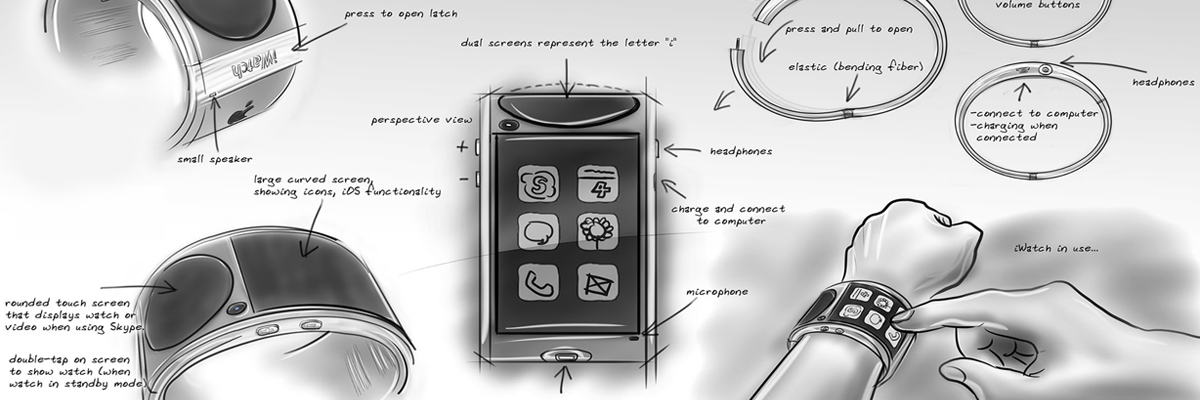
Note that concept testing is not about testing if the design functions properly, or is technically sound like e.g., testing if a website performs well, or if an exhibit is well lighted. It is about the idea behind it and assessing whether the right decisions have been made in balancing contradictory needs.
There are many ways of doing concept testing. Both data-driven quantitative and qualitative methods are used, ranging from surveys up to usability testing. However, we consider that for concept testing you most of all need to gain an understanding of underlying opinions and motivations. Testing should offer insights into encountered problems and help to develop ideas for improvement. Consequently, we recommend:
- In-depth user testing, like having semi-structured interviews while people perform some tasks with your prototype.
- 4 up to 7 in-depth user tests will do. In-depth testing requires considerable time per test, but only few tests will do to learn what is ‘good’ or ‘bad’ and what improvements need to be made.
- Having multiple concepts (or variations of one concept) drastically improves the quality of the feedback. People offer more nuanced opinions and are more capable to reflect.
| Paper prototyping 101 by Nielsen Norman Group (YouTube) |
| An example of a mobile app paper prototype (YouTube) |
