

5.3 Test
5.3.5 Market Tests
 |
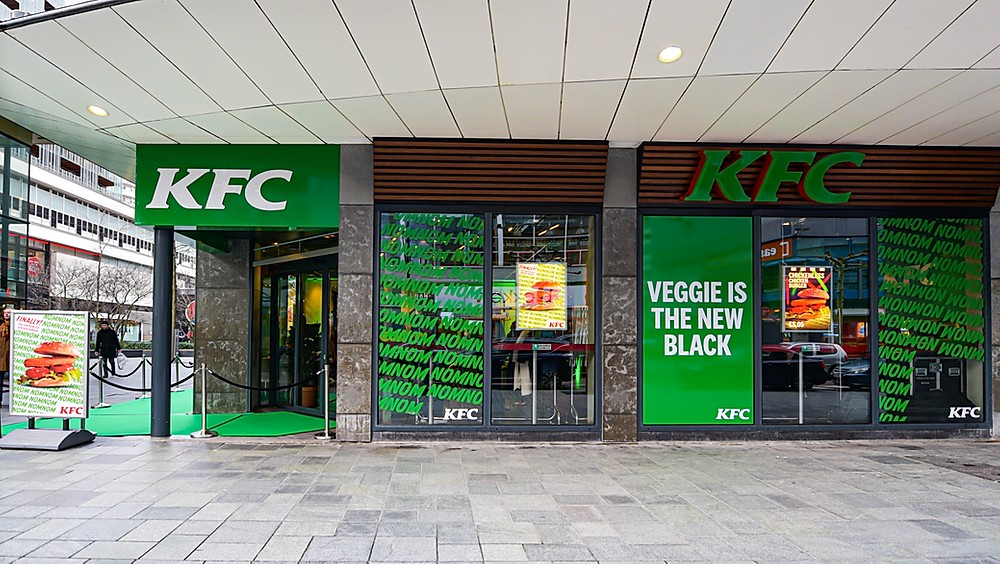
Market tests are used to assess the viability of a product. These tests provide insights into whether a product, app, or service is bought, used and/or liked by a small group of potential consumers. This is often done before launching the product to a large audience. In the food industry, you find some well-known examples. For example, where products are sold in a few local shops in a specific city. Also, concept stores are used for testing new products and propositions.
Next to the commercial viability, market tests are also done to learn whether distribution and marketing, which are specific aspects of the feasibility of a product work well. This can be done, for example, by learning how many products break down prematurely, and what is causing it. It may turn out that the design isn't feasible for this specific market; like a battery-powered and intelligent toy for toddlers, that simply can't stand the rough way it is being used.
Also, these tests are used to learn how the product, service, or application can be distributed optimally. For example, in developing countries products as shampoo will fail if distributed in the same packaging size as in western countries. They need to be sold in small quantities at a price level locals can afford. In order to know what the right balance is between quantity and cost, market tests are needed.